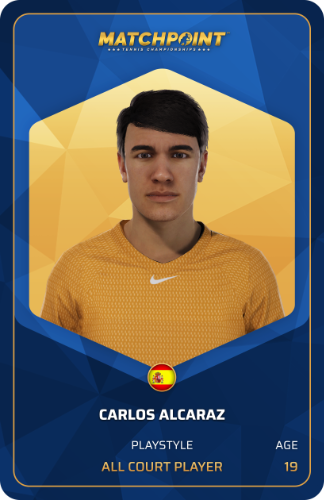
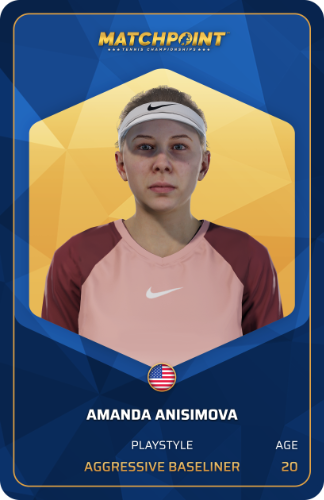
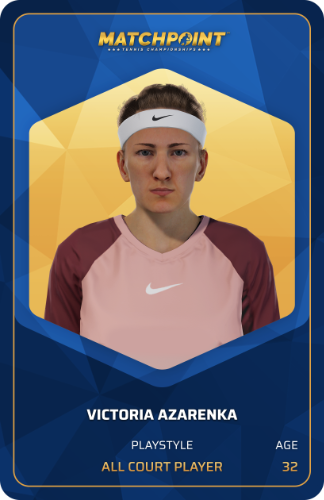
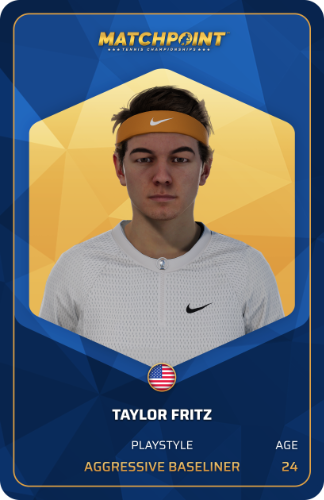
The season starts now –
Grab your racket and become the world’s next tennis champion!

The season starts now –
Grab your racket and become the world’s next tennis champion!
The season starts now –
Grab your racket and become the world’s next tennis champion!
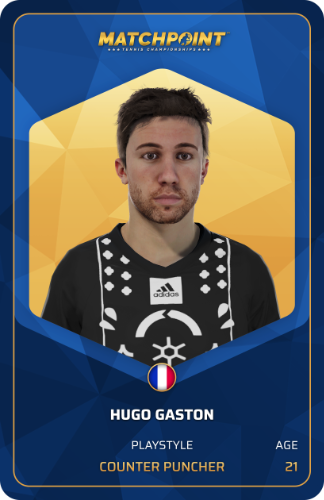
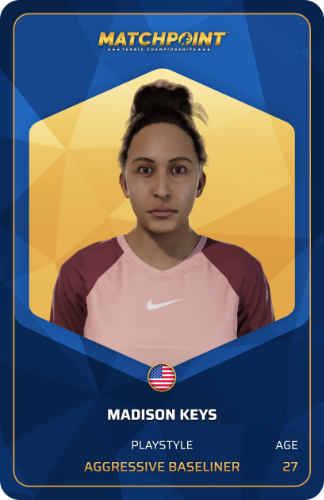
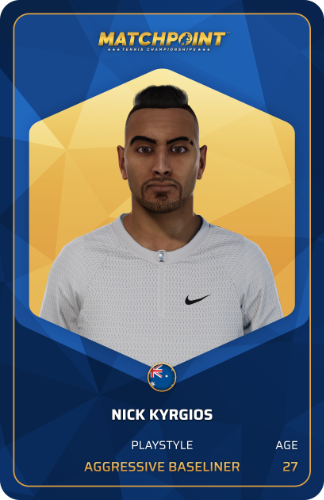
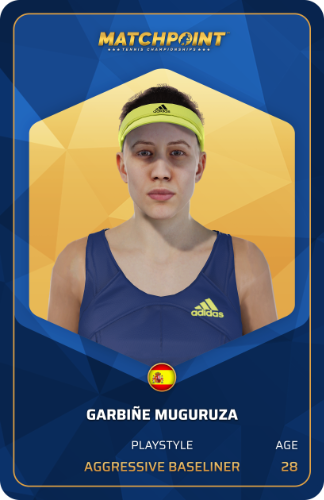
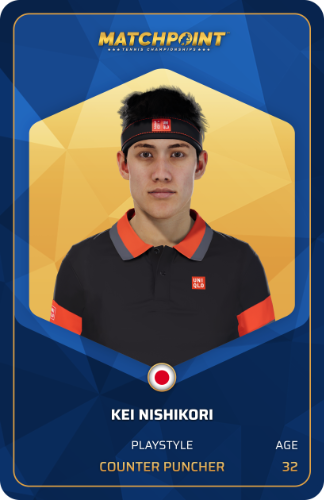
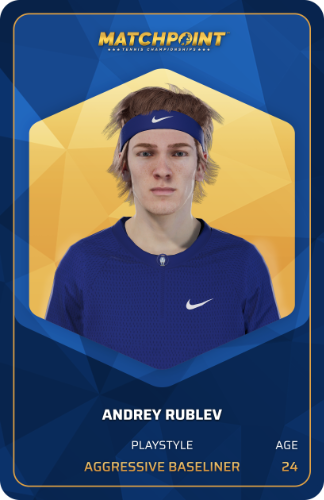
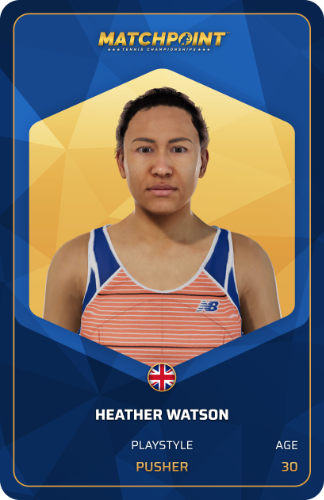
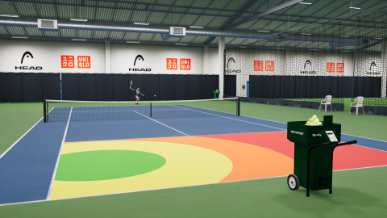
Enter the court and get ready for a brand-new title that delivers authentic gameplay and an immersive tennis experience. As a modern tennis simulation, Matchpoint – Tennis Championships features an extensive career mode and a unique rivalry system.
Matchpoint – Tennis Championships is out now for PlayStation®4|5, Xbox One, Xbox Series X|S, and PC. Play it now on console and PC with Xbox Game Pass.
Learn more in the FAQ and play the free demo on Steam, Xbox, and PlayStation.
However, for those willing to spend ten minutes learning the ropes, the payoff is massive. It saves gigabytes of storage space and hours of scrolling through menus.
def scan(self): """Scan directory and collect ROM files.""" if self.recursive: iterator = self.root_path.rglob("*") else: iterator = self.root_path.glob("*")
def filter_by_extension(self, extensions): """Keep only files with given extensions (e.g. ['.nes', '.sfc']).""" extensions = [ext.lower() if ext.startswith('.') else f'.ext.lower()' for ext in extensions] self.roms = [r for r in self.roms if r.suffix.lower() in extensions] return self
RomLister is a utility designed to bridge the gap between raw ROM data and playable game libraries. At its core, it is a filtering and auditing tool. It takes massive, unfiltered sets of game files and cross-references them against DAT files (data files that contain the correct names, sizes, and checksums of known games) to produce clean, curated lists.
Retrocomputing often involves juggling multiple "experimental" or "stable" versions of system ROMs. If you are troubleshooting why a specific application isn't launching or why a core is behaving strangely, Romlister is the first tool you should reach for. It confirms that the system "sees" your files, removing the guesswork from SD card management.
If you are running a Raspberry Pi or an older PC, overhead is your enemy. You don't want to scan through 10,000 broken games to find the 2,000 that run well on your hardware. RomLister allows you to create hardware-specific lists, ensuring your front-end (like RetroArch, LaunchBox, or Attract-Mode) is snappy and responsive.
However, for those willing to spend ten minutes learning the ropes, the payoff is massive. It saves gigabytes of storage space and hours of scrolling through menus.
def scan(self): """Scan directory and collect ROM files.""" if self.recursive: iterator = self.root_path.rglob("*") else: iterator = self.root_path.glob("*") romlister
def filter_by_extension(self, extensions): """Keep only files with given extensions (e.g. ['.nes', '.sfc']).""" extensions = [ext.lower() if ext.startswith('.') else f'.ext.lower()' for ext in extensions] self.roms = [r for r in self.roms if r.suffix.lower() in extensions] return self However, for those willing to spend ten minutes
RomLister is a utility designed to bridge the gap between raw ROM data and playable game libraries. At its core, it is a filtering and auditing tool. It takes massive, unfiltered sets of game files and cross-references them against DAT files (data files that contain the correct names, sizes, and checksums of known games) to produce clean, curated lists. ensuring your front-end (like RetroArch
Retrocomputing often involves juggling multiple "experimental" or "stable" versions of system ROMs. If you are troubleshooting why a specific application isn't launching or why a core is behaving strangely, Romlister is the first tool you should reach for. It confirms that the system "sees" your files, removing the guesswork from SD card management.
If you are running a Raspberry Pi or an older PC, overhead is your enemy. You don't want to scan through 10,000 broken games to find the 2,000 that run well on your hardware. RomLister allows you to create hardware-specific lists, ensuring your front-end (like RetroArch, LaunchBox, or Attract-Mode) is snappy and responsive.