What Is Hurricane Season

Compatibility:

what is hurricane season

OptiFDTD

70 MB

Below are popular user links:

FDTD Publications
FDTD Videos
FDTD Features
FDTD Tutorials

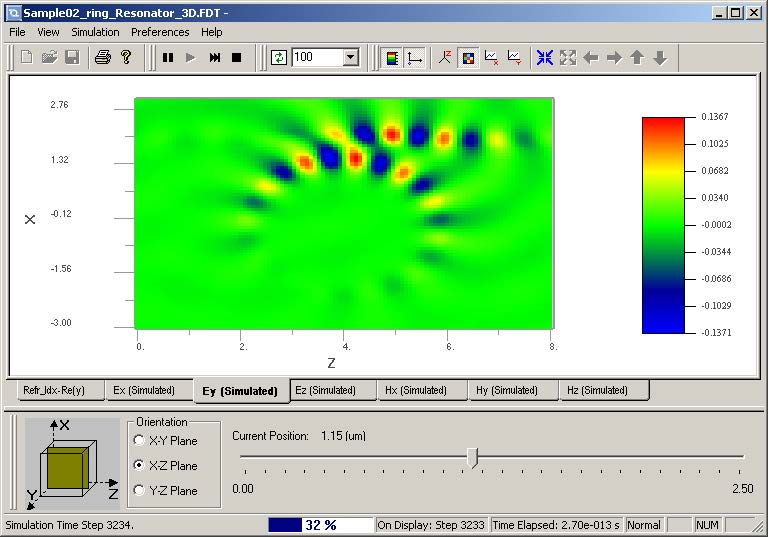
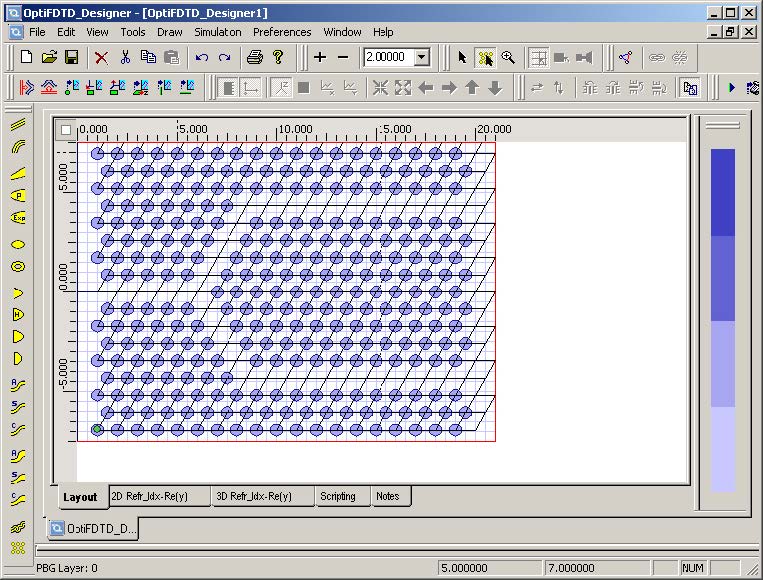
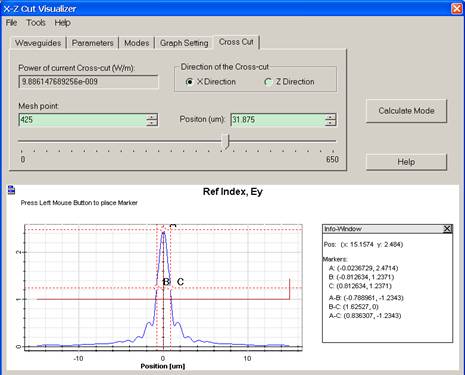
OptiFDTD enables you to design, analyze and test modern passive and nonlinear photonic components for wave propagation, scattering, reflection, diffraction, polarization and nonlinear phenomena. The core program of OptiFDTD is based on the Finite-Difference Time-Domain (FDTD) algorithm with second-order numerical accuracy and the most advanced boundary conditions – Uniaxial Perfectly Matched Layer (UPML).

The algorithm solves both electric and magnetic fields in temporal and spatial domain using the full-vector differential form of Maxwell’s coupled curl equations. This allows for arbitrary model geometries and places no restriction on the material properties of the devices.

Applications

  • Surface Plasmon Resonance (SPR)
  • Photonic band gap materials and devices
  • Nano-particles, and tissue cells
  • Diffractive micro-optics elements and lenses
  • Complex integrated optics structures
  • Nonlinear materials, dispersive materials
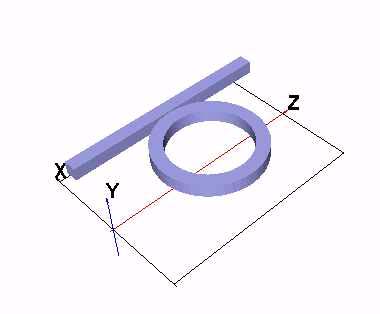
  • Optical micro-ring filters and resonators
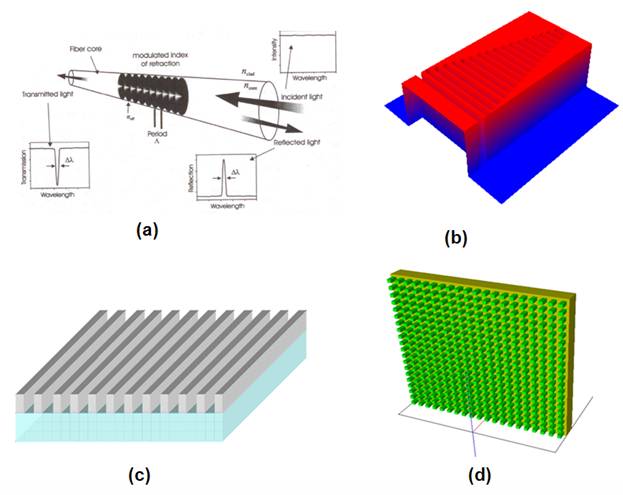
  • Grating based waveguide structures
  • Electromagnetic phenomena


Interface with Popular DesignTools
  • Code V
  • Zemax

Feel free to browse our FDTD gallery (click to enlarge):
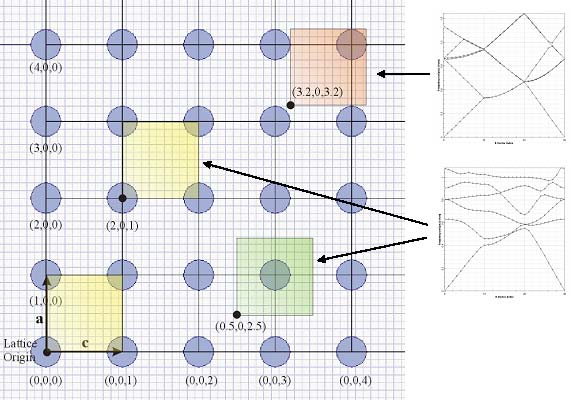
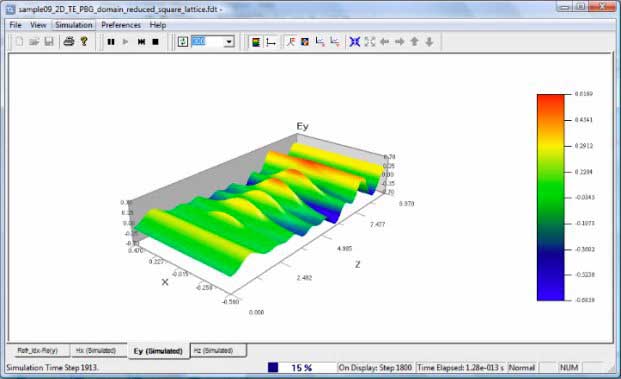
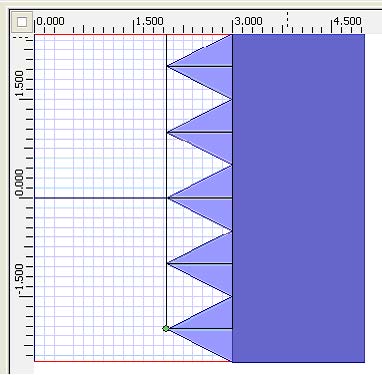
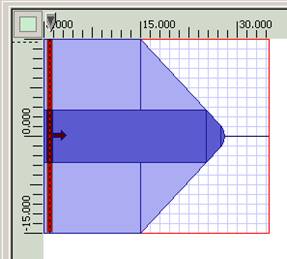
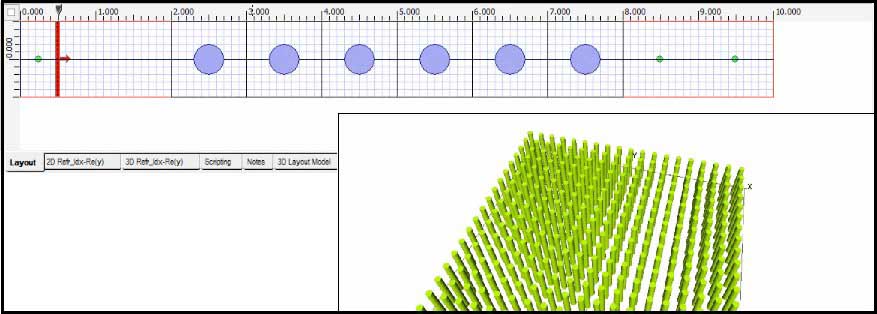
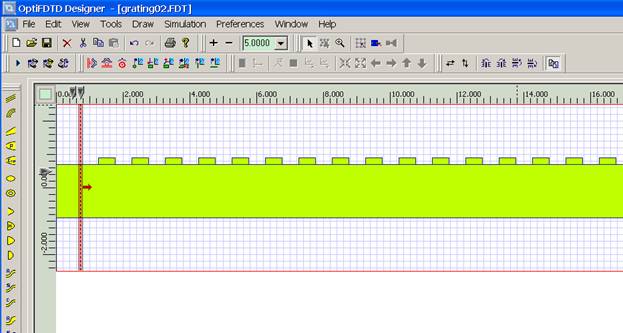
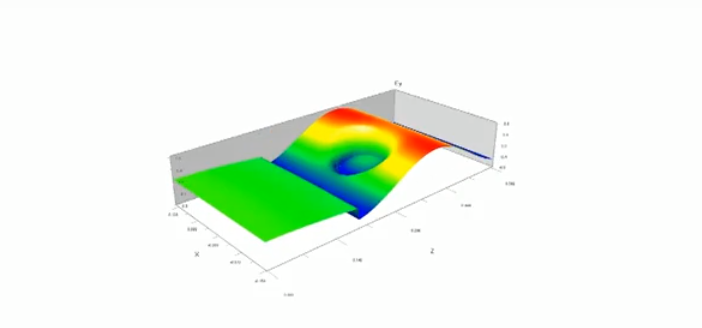
     FDTD - Figure 3 Inversion Symmetry and Domain Origin FDTD - 3D Wave propagation

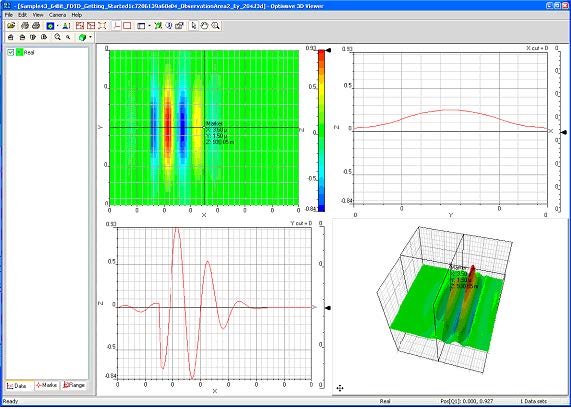
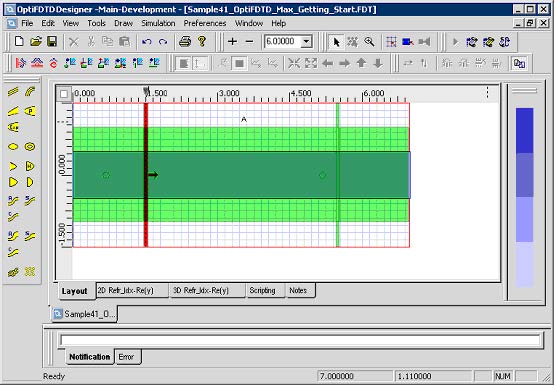
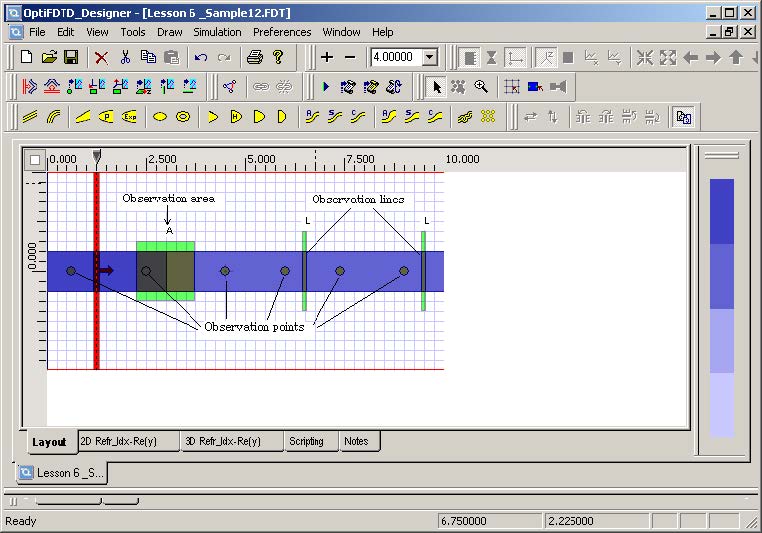
FDTD - Figure 8 The time domain snapshot observed in 3D Viewer from observation area 2FDTD - Figure 5 Layout

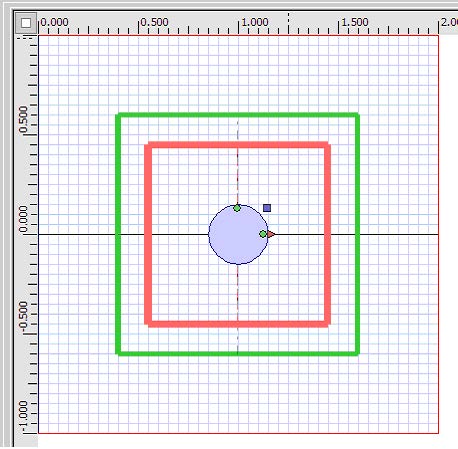
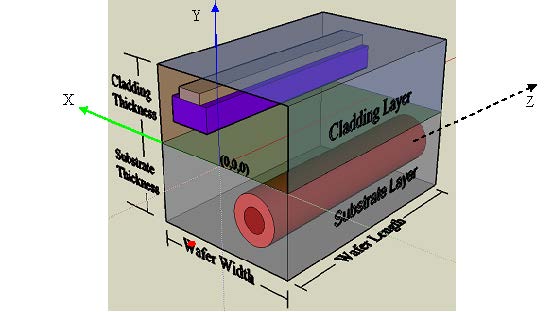
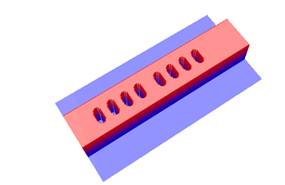
FDTD - Figure 16 Elliptic waveguide in the TFSF regionFDTD - Figure 2 Layout in OptiFDTD

FDTD - Figure 10 Observation components of projectFDTD - Selected Grating layout

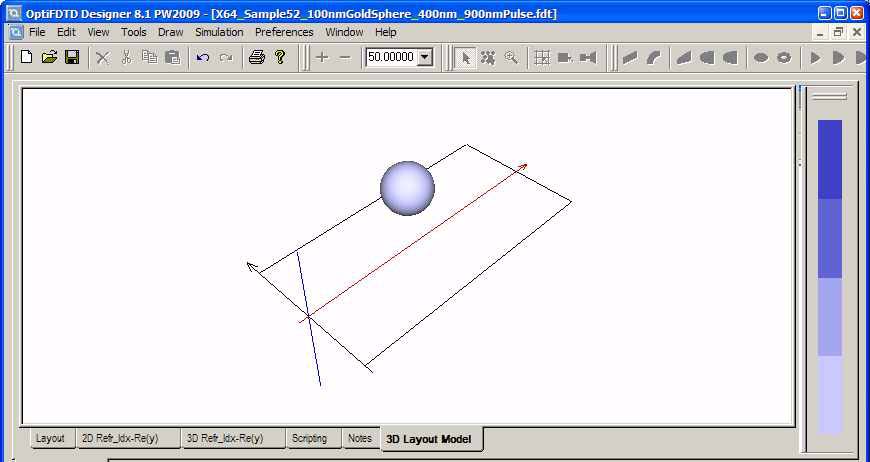
FDTD - Figure 2 Example LayoutFDTD - Figure 1 3D layout mode for sphere

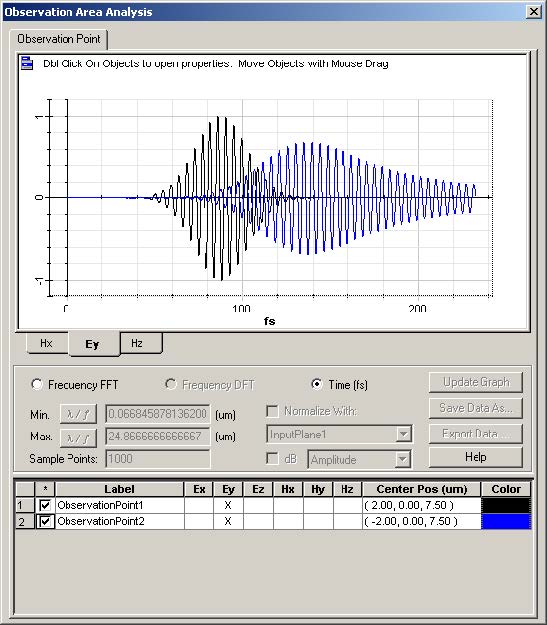
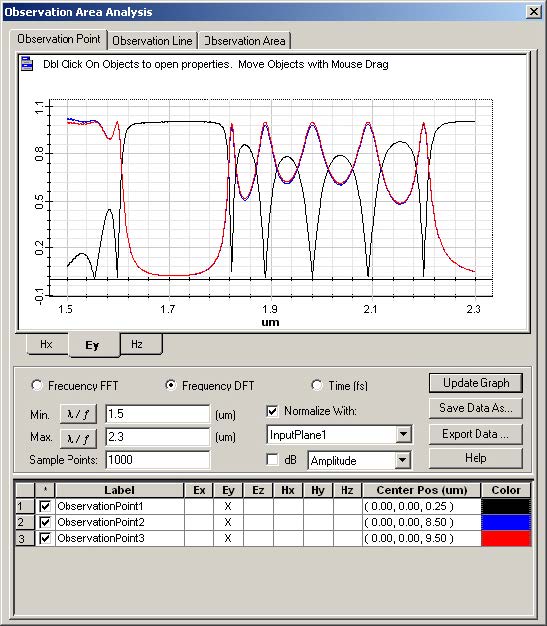
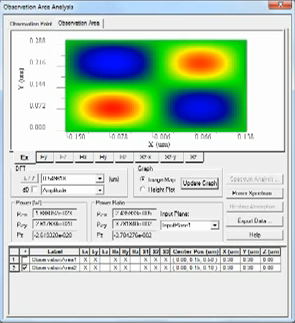
  FDTD - Observation Area Analysis dialog box FDTD - Figure 106 Observation Area Analysis dialog box

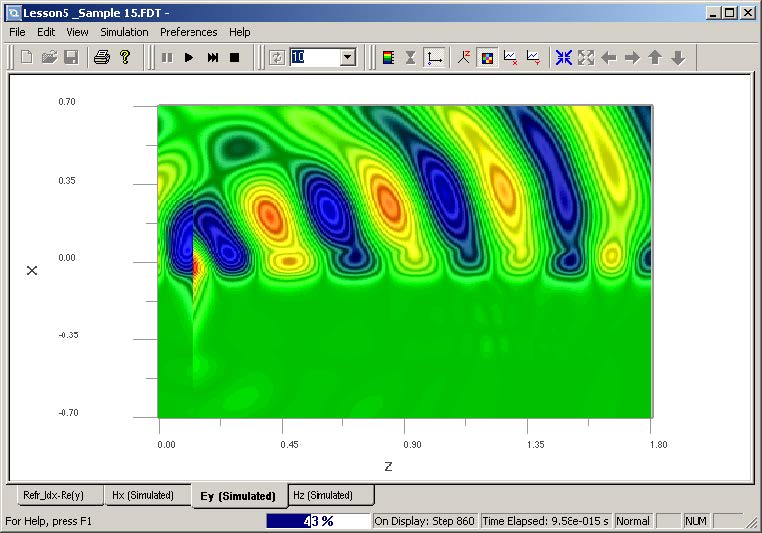
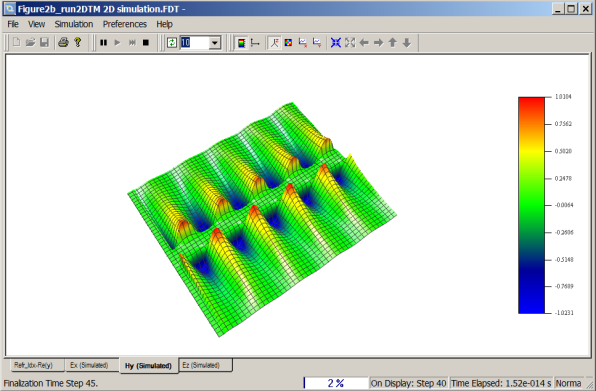
FDTD - Figure 5 OptiFDTD_Simulator FDTD - Figure 40 3D Simulation results

FDTD - Figure 95 PBG layout with new wavepath FDTD - Figure 18 3D Layout

FDTD - Beam size measurement in OptiFDTD(b)

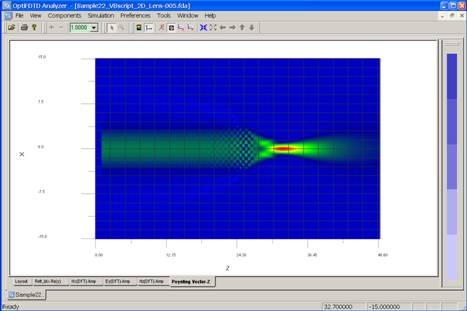
FDTD - Poynting vector for Fiber lens  FDTD - Surface wave propagation model

FDTD - Power transmission ratios and normalised powersFDTD - Near field in slice viewer

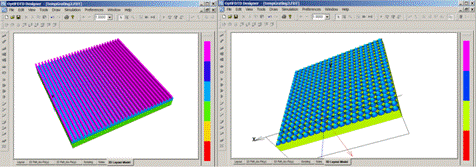
FDTD - Photonic Crystal Layout FDTD - Diffraction Grating 3D Layouts

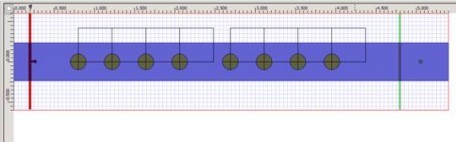
Layout in OptiFDTD  Directional grating Coupled waveguide in OptiFDTD

Layout in OptiFDTD  FDTD - Nanoparticle plane wave and the nanoparticle intensity

Related:

What Is Hurricane Season

When people think of hurricanes, they often picture dramatic footage of bent palm trees. However, water is the deadliest factor in a hurricane.

Hurricane season is a natural part of the Earth's weather cycle—a way for the atmosphere to redistribute heat from the tropics to the poles. While the season runs from June through November, the peak months of August, September, and October demand the most vigilance. what is hurricane season

Different regions, or "basins," have distinct start and end dates based on their local climate patterns: Start Date Peak Activity November 30 Mid-August to October (Peak: Sept 10) Eastern Pacific November 30 July to September Central Pacific November 30 Late summer/early fall Sources: NOAA , National Hurricane Center . Why It Occurs When people think of hurricanes, they often picture

Once a storm becomes a hurricane, it is further categorized by the (Categories 1 through 5). However, meteorologists warn that focusing solely on the category can be misleading. A Category 1 storm can cause massive flooding due to rain, while a Category 5 might be compact and fast-moving. While the season runs from June through November,

AccuWeather have warned of potential early-season development as early as May. The Asheville Citizen Times +2 Other Regional Seasons Eastern Pacific: May 15 to November 30. Southwest Pacific: Generally November to April 30. RNZ +1 Storm Classifications As a storm strengthens during the season, it is categorized by its maximum sustained wind speeds: 11 sites Atlantic hurricane season - Wikipedia The Atlantic hurricane season is the period in a year, from June 1 to November 30, when tropical or subtropical cyclones are most ... Wikipedia The District of Columbia Homeland Security and Emergency ... What is Hurricane Season? Hurricane Season officially begins on June 1 and extends. through November 30. The season can involve an... DC.gov Understanding El Niño, La Niña, and Their Impact on U.S. ... Jun 3, 2024 —

While storms can technically form at any time, official dates are set by organizations like NOAA to help governments and citizens synchronize their emergency preparations. When is Hurricane Season?