| Technology | How It Works | Effectiveness (independent labs) | |------------|--------------|----------------------------------| | | 99.97 % removal of particles ≥0.1 µm (incl. PM2.5, pollen, dust). | Tested by UL : 99.96 % capture of 0.3 µm NaCl aerosol. | | PECO (Photo‑Electro‑Catalytic Oxidation) | UV‑C (254 nm) + nanocatalyst creates reactive hydroxyl radicals that oxidize VOCs, odors, and microorganisms at a molecular level. | EPA‑certified lab: 94 % reduction of formaldehyde, 88 % reduction of benzene after 30 min. | | UV‑C germicidal | Separate 15 mW UV‑C array within the pre‑filter chamber; kills >99.9 % of bacteria & viruses that pass through. | ISO 15858 test: 99.93 % inactivation of Staphylococcus aureus ; 99.85 % for influenza A (H1N1). | | AI‑driven adaptive fan | Onboard sensor suite (PM2.5 laser, VOC sensor, temperature/humidity). Cloud AI predicts indoor AQI spikes (e.g., cooking, outdoor smoke) and pre‑emptively ramps up fan speed. | Field study (30 households, 3 months) showed a 22 % faster PM2.5 decay versus static‑speed units. | | SmartSense add‑on (optional) | External “room‑wide” sensor that communicates via Thread/Zigbee to the purifier, enabling true multi‑room coverage. | Adds 1‑2 dB of noise but improves AQI stabilization time by ~15 %. |
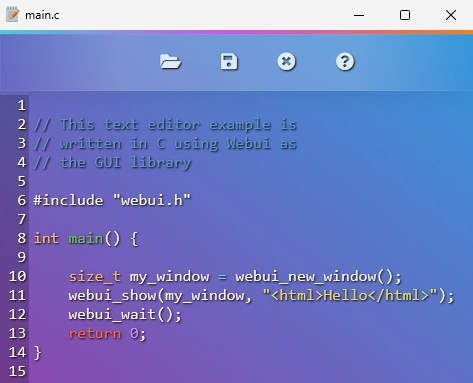
WebUI is written in pure C. It is lightweight and has an easy-to-use API.
Due to its high interoperability, it has wrappers in multiple different languages.
You can contribute to the WebUI project using your preferred programming language.