Seclist Here
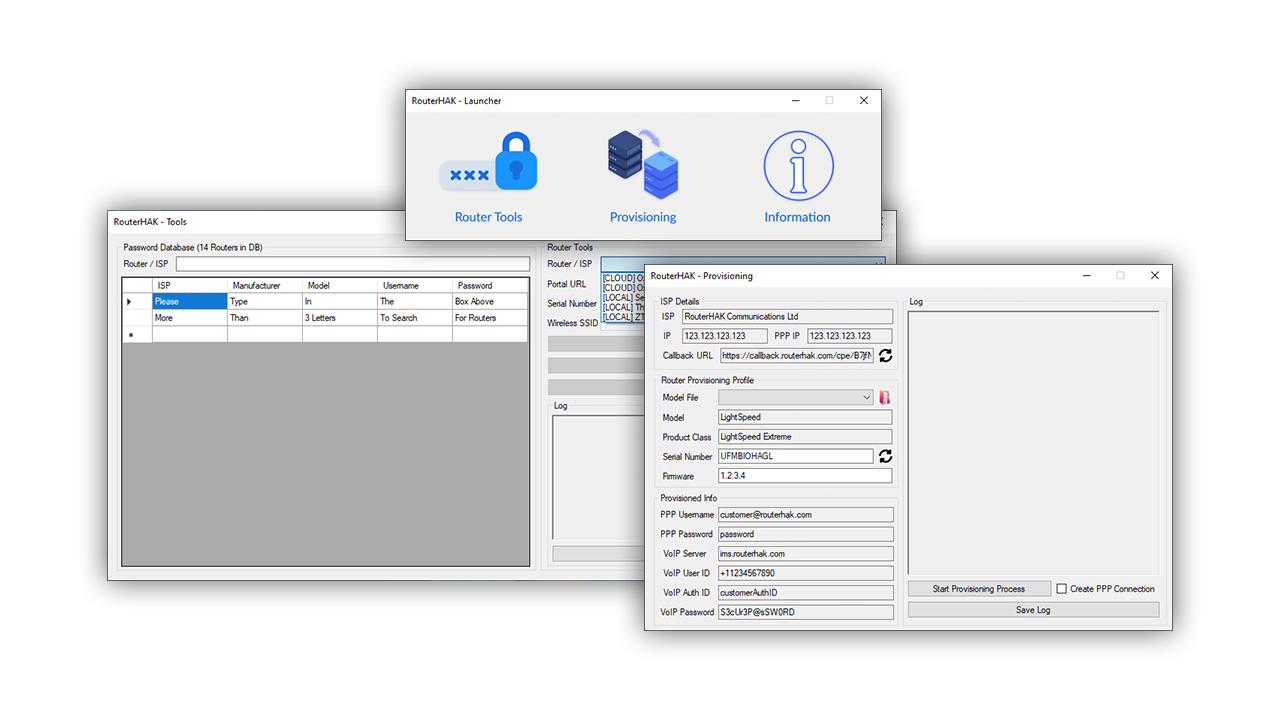
RouterHAK offers a variety of features such as router emulation (provisioning client), listing routers' superuser passwords, router settings recovery tools and much more.
DownloadRouterHAK offers a variety of features such as router emulation (provisioning client), listing routers' superuser passwords, router settings recovery tools and much more.
Download



SecList/ ├── Discovery/ │ ├── Web_Content/ # directories, files, backups │ ├── Subdomains/ # subdomain brute-force lists │ ├── Parameters/ # param names & injections │ └── Technology/ # CMS, frameworks, servers ├── Payloads/ │ ├── XSS/ # cross-site scripting vectors │ ├── SQLi/ # union, boolean, time-based │ ├── LFI_RFI/ # path traversal patterns │ └── NoSQL/ # MongoDB, Elasticsearch injections ├── Authentication/ │ ├── Usernames/ # top usernames, admin lists │ ├── Passwords/ # weak, breached, default creds │ └── API_Tokens/ # regex patterns for key discovery ├── Evasion/ │ ├── Encoding/ # double URL encode, unicode │ └── Case_Manipulation/ # mixed-case bypasses └── Misc/ ├── Extensions/ # file extensions (upload, backup) ├── User_Agents/ # fuzzing user-agents └── Cloud/ # S3, Azure, GCP bucket names
: Perhaps the most famous part of SecLists, this contains lists of commonly used passwords (like "123456"), default credentials for specific hardware (routers, IoT devices), and lists derived from real-world data breaches.
The most interesting development in the world of seclist is the removal of the human.
: A catch-all for unique data, such as lists of common HTTP headers, User-Agent strings, and even metadata patterns for specific software frameworks. How to Use SecLists in Your Workflow
SecList/ ├── Discovery/ │ ├── Web_Content/ # directories, files, backups │ ├── Subdomains/ # subdomain brute-force lists │ ├── Parameters/ # param names & injections │ └── Technology/ # CMS, frameworks, servers ├── Payloads/ │ ├── XSS/ # cross-site scripting vectors │ ├── SQLi/ # union, boolean, time-based │ ├── LFI_RFI/ # path traversal patterns │ └── NoSQL/ # MongoDB, Elasticsearch injections ├── Authentication/ │ ├── Usernames/ # top usernames, admin lists │ ├── Passwords/ # weak, breached, default creds │ └── API_Tokens/ # regex patterns for key discovery ├── Evasion/ │ ├── Encoding/ # double URL encode, unicode │ └── Case_Manipulation/ # mixed-case bypasses └── Misc/ ├── Extensions/ # file extensions (upload, backup) ├── User_Agents/ # fuzzing user-agents └── Cloud/ # S3, Azure, GCP bucket names
: Perhaps the most famous part of SecLists, this contains lists of commonly used passwords (like "123456"), default credentials for specific hardware (routers, IoT devices), and lists derived from real-world data breaches. seclist
The most interesting development in the world of seclist is the removal of the human. How to Use SecLists in Your Workflow
: A catch-all for unique data, such as lists of common HTTP headers, User-Agent strings, and even metadata patterns for specific software frameworks. How to Use SecLists in Your Workflow default credentials for specific hardware (routers

Buy us a coffee or help us buy hardware to make RouterHAK even better.
Donate