
A cross platform, customizable graphical frontend for launching emulators and managing your game collection.
A cross platform, customizable graphical frontend for launching emulators and managing your game collection.
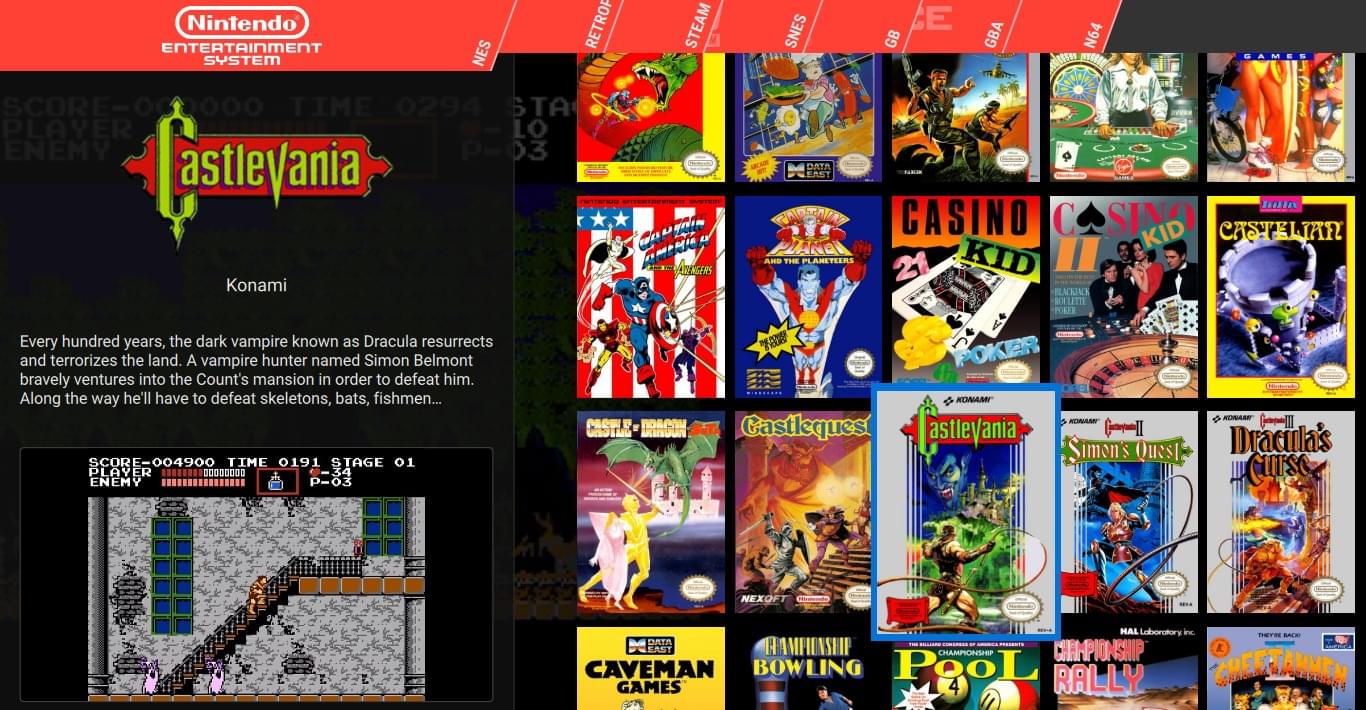
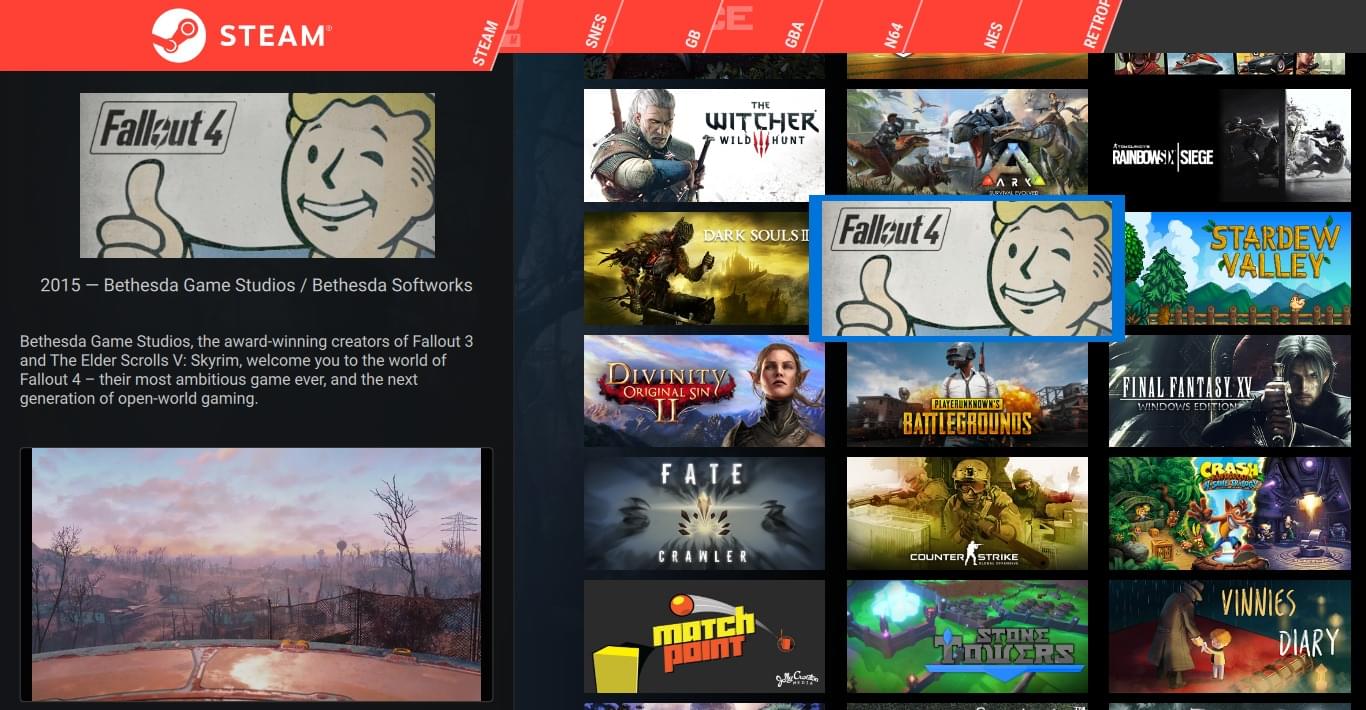
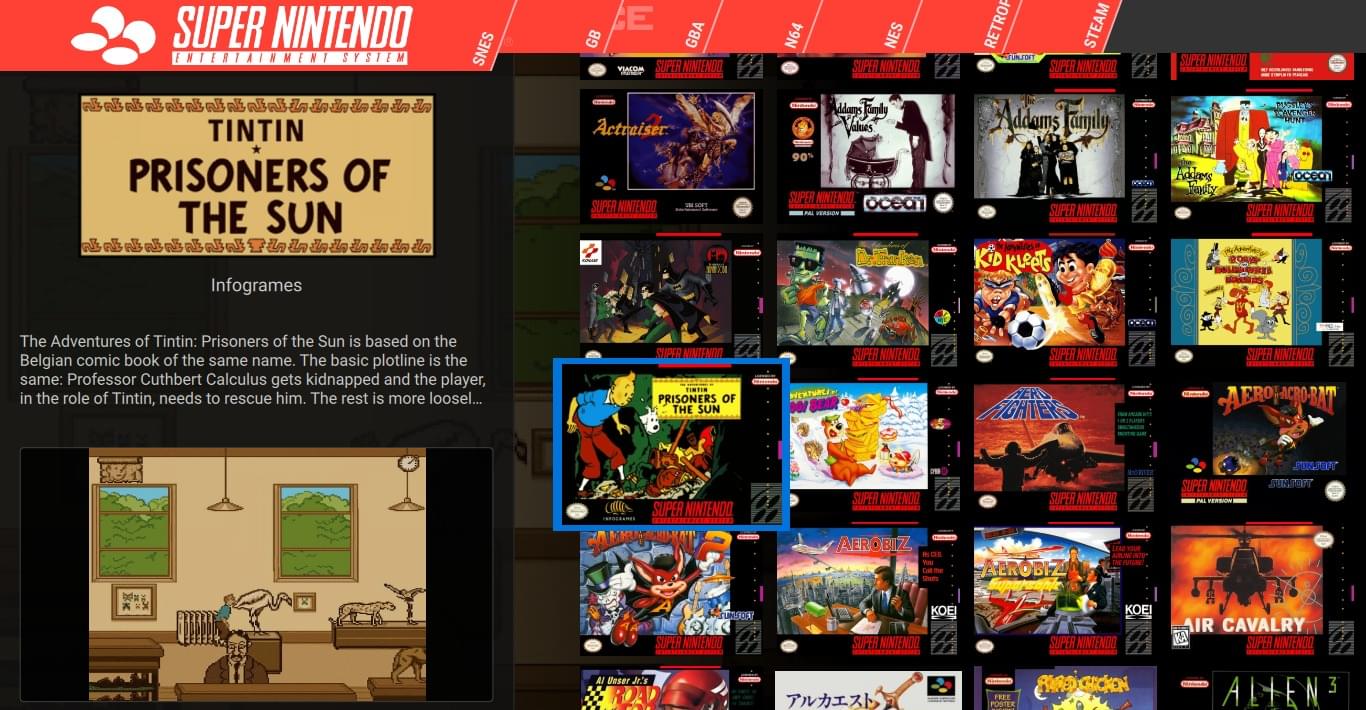
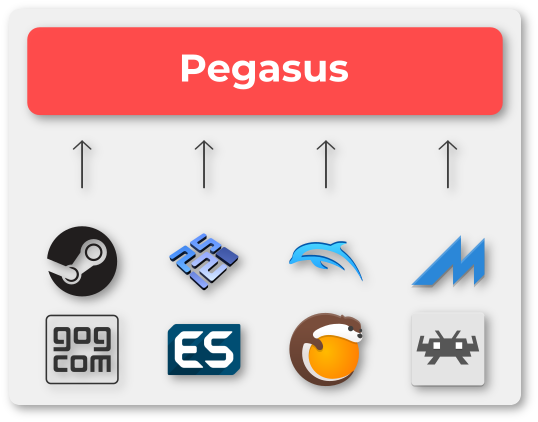
Pegasus is a graphical frontend for browsing your game library (especially retro games) and launching them from one place. It's focusing on customizability, cross platform support (including embedded devices) and high performance.
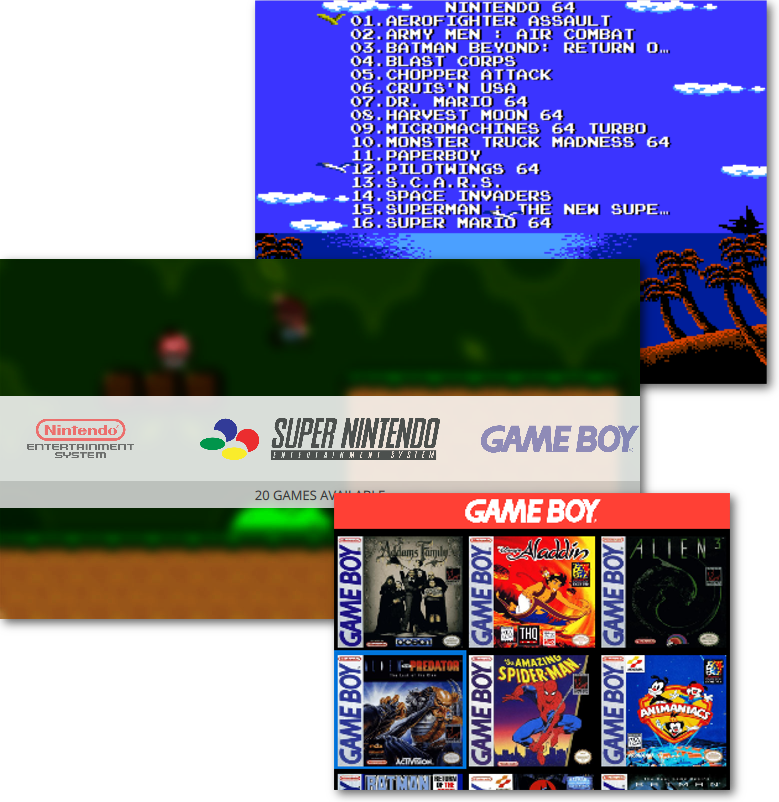
Instead of launching different games with different emulators one by one manually, you can add them to Pegasus and launch the games from a friendly graphical screen from your couch. You can add all kinds of artworks, metadata or video previews for each game to make it look even better!
With additional themes, you can completely change everything that is on the screen. Add or remove UI elements, menu screens, whatever. Want to make it look like Kodi? Steam? Any other launcher? No problem. You can add animations and effects, 3D scenes, or even run your custom shader code.
Pegasus can run on Linux, Windows, Mac, Raspberry Pi, Odroid and Android devices. It's compatible with EmulationStation metadata and gamelist files, and instantly recognizes your Steam games!
A 32-bit system can only recognize and utilize up to 4GB of RAM (usually less, around 3.2GB to 3.5GB usable). If your PC has 6GB or 8GB of RAM, do not use the 32-bit ISO, or you will waste your memory capacity.
If you downloaded the ISO file but didn't select the USB option in the tool above, you need a third-party tool to make it bootable. windows 10 32bit iso
The Windows 10 32-bit ISO remains a vital tool for keeping older computers functional. By using the official Microsoft Media Creation Tool, you ensure a clean install without malware. Just remember the RAM limitation and the upcoming end-of-support date in 2025. A 32-bit system can only recognize and utilize
Before you download, it is important to understand why you are choosing the 32-bit (x86) version over the standard 64-bit (x64) version. The Windows 10 32-bit ISO remains a vital


