The contrast in the aftermath was stark. Hunt was mobbed by fans and mechanics, soaked in champagne, his face a mask of ecstatic disbelief. Lauda stood in the garage, arms crossed, dry and composed. He had lost the championship, but he had kept his life.
Here’s a concise guide to the – one of the most dramatic, controversial, and legendary years in motorsport history.
| Round | Grand Prix | Winner | |-------|-------------|--------| | 1 | Brazil | Niki Lauda | | 2 | South Africa | Niki Lauda | | 3 | US West (Long Beach) | Clay Regazzoni | | 4 | Spain | James Hunt (later disqualified, then reinstated) | | 5 | Belgium | Niki Lauda | | 6 | Monaco | Niki Lauda | | 7 | Sweden | Jody Scheckter | | 8 | France | James Hunt | | 9 | Great Britain | Niki Lauda | | 10 | Germany | (after Lauda’s crash) | | 11 | Austria | James Hunt | | 12 | Netherlands | James Hunt | | 13 | Italy | Ronnie Peterson (March) | | 14 | Canada | James Hunt | | 15 | USA (Watkins Glen) | James Hunt | | 16 | Japan | Mario Andretti (Lotus) – but the title was decided here |
The 1976 Formula 1 season remains the most storied and dramatic chapter in Grand Prix history. It was defined by a clash of opposites: the flamboyant, playboy Englishman James Hunt and the clinical, disciplined Austrian Niki Lauda. The season began with Lauda, the defending World Champion, dominating in his Ferrari. He won four of the first six races, establishing what looked like an insurmountable lead. James Hunt, driving for McLaren, struggled with mechanical issues and disqualifications early on, trailing far behind in the points standings. The turning point occurred at the Nürburgring in Germany. Known as the "Green Hell," the track was notoriously dangerous. During the race, Lauda’s Ferrari suffered a rear suspension failure, sending him into the barriers. His car erupted in a fireball. Trapped in the cockpit, Lauda inhaled toxic fumes and suffered horrific burns. He was given the last rites in the hospital, and the world expected him to die. While Lauda fought for his life, Hunt began a relentless charge, winning races and closing the gap. In one of the greatest displays of willpower in sports history, Lauda returned to the cockpit just six weeks after his accident. His wounds were still bleeding, and his vision was impaired, yet he finished fourth at the Italian Grand Prix. The championship came down to the final race: the first-ever Japanese Grand Prix at Fuji Speedway. On race day, the track was hit by a monsoon. The conditions were lethal. Lauda, prioritizing his life over a trophy, withdrew after two laps, stating that his life was worth more than a title. Hunt stayed on track. After a chaotic race involving tire failures and frantic pit stops, he fought his way back to third place. He crossed the finish line unaware of his position, initially thinking he had lost. When he was told he was the World Champion by a single point, the rainy pit lane erupted in celebration. It was a season where one man conquered death and the other conquered his own reputation, cementing both as legends of the sport. Show all AI can make mistakes, so double-check responses Copy Creating a public link... You can now share this thread with others Good response Bad response
Formula One in the mid-seventies was a gladiatorial arena. The cars were lethal weapons—growling, turbocharged beasts with hardly any downforce and zero margin for error. But the championship that year wasn’t just about engineering; it was a study in polar opposites.
If you want a deeper dive into a specific race, the crash, or the scoring system, just ask.

 Automation Systems
  Motion & Power Solutions
 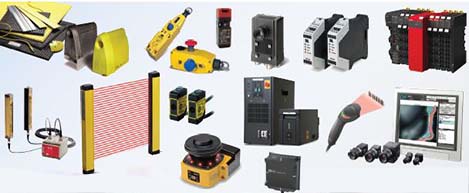 Safety, Vision and IDENT
  Sensing Solutions
  Control Components
  Switching & Accessories
 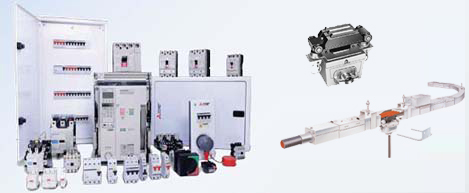 Switchgear and Trolley Systems
  Process Weighing
 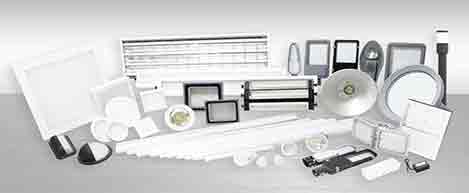 LED Lighting
  Omron
Omron
 Mitsubishi
 Delta
Delta
 Autonics
 Inno
Inno
 Panasonic
 Novotechnik
 Orientalmotor
 Microscan
 IPA
IPA
 Technomech
 Intech
 Honeywell
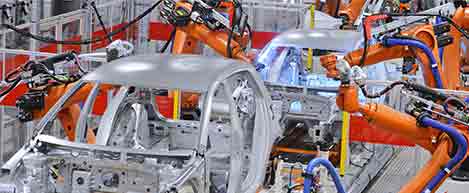 IOT & Traceability
 Project & Panel Engg.
 Application Case Studies
 Solutions by Industry
 Solutions by Process
 Solutions by Product
 Youtube Videos
 Corporate Information
 Company Profile
 Quality Policy
 Mission Statement
 Chairman's Message
 Intech Group Companies