 The EUREQA dataset
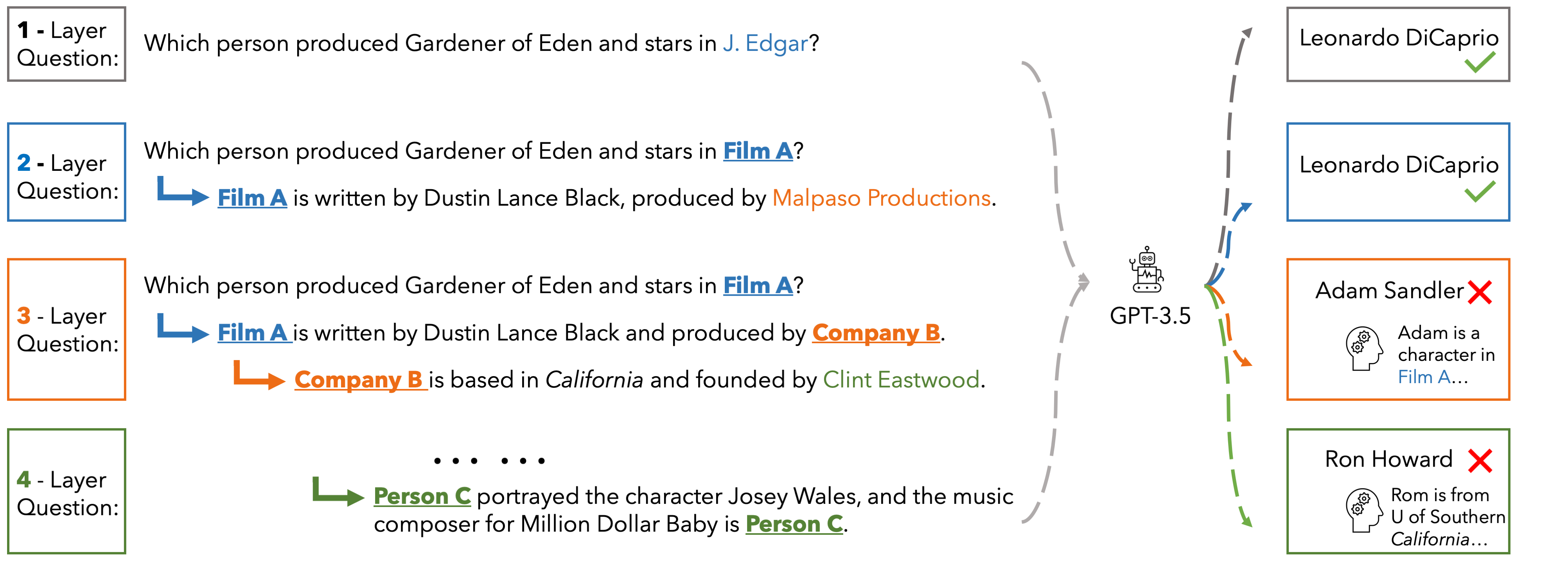
In EUREQA, every question is constructed through an implicit reasoning chain. The chain is constructed by parsing DBPedia. Each layer comprises three components: an entity, a fact about the entity, and a relation between the entity
and its counterpart from the next layer. The layers stack up to create chains with different depths of reasoning. We verbalize reasoning chains into natural sentences and anonymize the entity of each layer to create the question.
Questions can be solved layer by layer and each layer is guaranteed a unique answer. EUREQA is not a knowledge game: we adopt a knowledge filtering process that ensures that most LLMs have sufficient world knowledge to answer our questions.
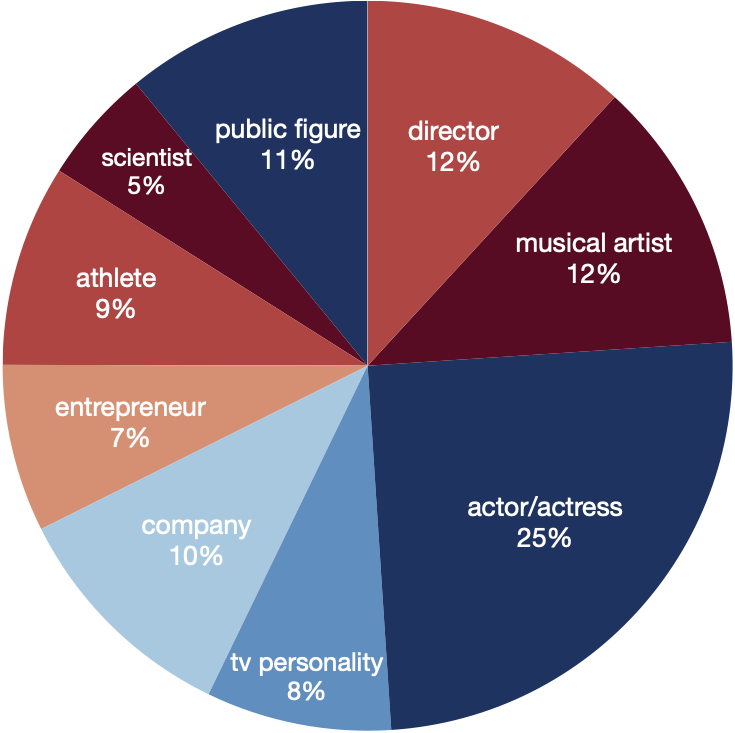
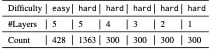
EUREQA comprises a total of 2,991 questions of different reasoning depths and difficulties. The entities encompass a broad spectrum of topics, effectively reducing any potential bias arising from specific entity categories.
These data are great for analyzing the reasoning processes of LLMs
The transgender community has gifted LGBTQ culture a profound and radical framework: the critique of the gender binary. While gay and lesbian rights have often advanced on an argument of “we are just like you, except for who we love,” transgender experience challenges the very categories of “man” and “woman” as immutable, biological absolutes. This has pushed LGBTQ culture—and society at large—toward a more fluid understanding of identity. It has given rise to broader conversations about non-binary, genderqueer, and agender identities, enriching the community’s understanding of human diversity. In practical terms, this influence is seen in everything from the move toward gender-neutral language (“they/them” pronouns, “partner” instead of “boyfriend/girlfriend”) to the rethinking of gendered spaces like restrooms and locker rooms, not as threats, but as sites of dignity.
Critics argue that requiring surgery or medical proof for legal recognition is a regressive step that violates bodily autonomy.
Transgender history is inextricably linked to the broader LGBTQ movement. Early pioneers like Marsha P. Johnson and Sylvia Rivera, who co-founded , were instrumental in providing resources for queer homeless youth and sex workers. In many cultures, diverse gender identities have existed for centuries, such as the hijra community in South Asia, which held administrative and spiritual roles during the Mughal period before facing criminalisation under British colonial rule.
 Analyses and discussion
The transgender community has gifted LGBTQ culture a profound and radical framework: the critique of the gender binary. While gay and lesbian rights have often advanced on an argument of “we are just like you, except for who we love,” transgender experience challenges the very categories of “man” and “woman” as immutable, biological absolutes. This has pushed LGBTQ culture—and society at large—toward a more fluid understanding of identity. It has given rise to broader conversations about non-binary, genderqueer, and agender identities, enriching the community’s understanding of human diversity. In practical terms, this influence is seen in everything from the move toward gender-neutral language (“they/them” pronouns, “partner” instead of “boyfriend/girlfriend”) to the rethinking of gendered spaces like restrooms and locker rooms, not as threats, but as sites of dignity.
Critics argue that requiring surgery or medical proof for legal recognition is a regressive step that violates bodily autonomy. hentai shemale
Transgender history is inextricably linked to the broader LGBTQ movement. Early pioneers like Marsha P. Johnson and Sylvia Rivera, who co-founded , were instrumental in providing resources for queer homeless youth and sex workers. In many cultures, diverse gender identities have existed for centuries, such as the hijra community in South Asia, which held administrative and spiritual roles during the Mughal period before facing criminalisation under British colonial rule. The transgender community has gifted LGBTQ culture a
This website is adapted from Nerfies, UniversalNER and LLaVA, licensed under a Creative Commons Attribution-ShareAlike 4.0 International License. We thank the LLaMA team for giving us access to their models.
Usage and License Notices: The data abd code is intended and licensed for research use only. They are also restricted to uses that follow the license agreement of LLaMA, ChatGPT, and the original dataset used in the benchmark. The dataset is CC BY NC 4.0 (allowing only non-commercial use) and models trained using the dataset should not be used outside of research purposes.