
94fbr ((better))
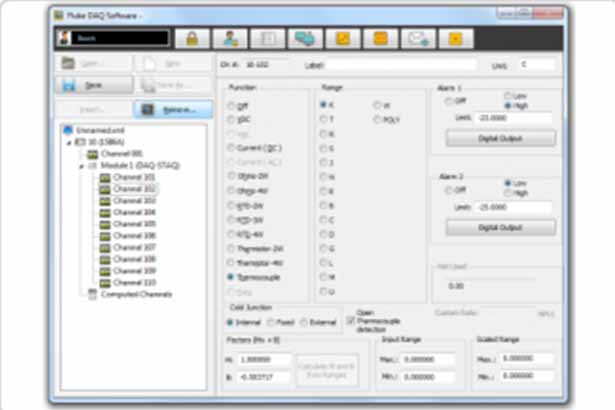
Simply connect your 2638A, 1586A, NetDAQ or 2680A Series to your computer and your current hard¬ware configuration will pre-populate in the configuration setup area, ready to edit if needed.


Simply connect your 2638A, 1586A, NetDAQ or 2680A Series to your computer and your current hard¬ware configuration will pre-populate in the configuration setup area, ready to edit if needed.
From a technical standpoint, the "94fbr" phenomenon is a masterclass in Search Engine Optimization (SEO) before the term was even mainstream. It demonstrated how a single semantic token could alter the intent of a query.
Search algorithms linked this string to pages containing software serial numbers.
To the uninitiated, "94fbr" looks like a glitch or a random password generator's output. However, to a generation of internet users, it was a "skeleton key"—a simple hack that unlocked the full potential of expensive software without paying a dime. The story of "94fbr" is not just about software piracy; is a fascinating case study in search engine optimization, the evolution of cybersecurity, and the semantic battles between corporations and resourceful users.
Using "94fbr" to find pirated software carries significant risks:
Because "94fbr" was rarely used in standard English or legitimate marketing copy, its presence on a webpage almost exclusively indicated that the page contained a list of serial keys, cracks, or keygens (key generators). It acted as a secret handshake between the searcher and the pirate. The search engine algorithm, recognizing the unique string, prioritized pages where this specific sequence appeared near the software title, effectively creating a custom search engine for pirated software.
The string "94fbr" is not a random sequence. It belongs to a specific software product: Windows 95 OEM OSR2. In the world of software licensing, a "product key" or serial number is required to validate a legal installation. Early software protection was relatively simplistic, often relying on a static list of valid keys rather than online server verification.
This led to a cat-and-mouse game. Users needed a way to find keys without explicitly posting them in a format that bots could easily scrub. This is where "94fbr" entered the lexicon. Because "94fbr" was a valid segment of a widely circulated Windows 95 serial key, it became a unique identifier—a digital fingerprint.
From a technical standpoint, the "94fbr" phenomenon is a masterclass in Search Engine Optimization (SEO) before the term was even mainstream. It demonstrated how a single semantic token could alter the intent of a query.
Search algorithms linked this string to pages containing software serial numbers. From a technical standpoint, the "94fbr" phenomenon is
To the uninitiated, "94fbr" looks like a glitch or a random password generator's output. However, to a generation of internet users, it was a "skeleton key"—a simple hack that unlocked the full potential of expensive software without paying a dime. The story of "94fbr" is not just about software piracy; is a fascinating case study in search engine optimization, the evolution of cybersecurity, and the semantic battles between corporations and resourceful users. To the uninitiated, "94fbr" looks like a glitch
Using "94fbr" to find pirated software carries significant risks: Using "94fbr" to find pirated software carries significant
Because "94fbr" was rarely used in standard English or legitimate marketing copy, its presence on a webpage almost exclusively indicated that the page contained a list of serial keys, cracks, or keygens (key generators). It acted as a secret handshake between the searcher and the pirate. The search engine algorithm, recognizing the unique string, prioritized pages where this specific sequence appeared near the software title, effectively creating a custom search engine for pirated software.
The string "94fbr" is not a random sequence. It belongs to a specific software product: Windows 95 OEM OSR2. In the world of software licensing, a "product key" or serial number is required to validate a legal installation. Early software protection was relatively simplistic, often relying on a static list of valid keys rather than online server verification.
This led to a cat-and-mouse game. Users needed a way to find keys without explicitly posting them in a format that bots could easily scrub. This is where "94fbr" entered the lexicon. Because "94fbr" was a valid segment of a widely circulated Windows 95 serial key, it became a unique identifier—a digital fingerprint.